Dyno Comparison: Stock vs. Overland Tailor Torque Tune for 2010-2014 Toyota FJ Cruiser
11/4/20252 min read
Introduction to the Toyota FJ Cruiser and Its Performance Options
The 2010-2014 Toyota FJ Cruiser, equipped with the reliable 1GR-FE 4.0L V6 engine, has gained popularity among off-road enthusiasts and adventure seekers. As car aficionados look to enhance vehicle performance, the conversation around tuning options and supercharging comes into play. This blog post delves into a detailed dyno comparison of the stock setup and the Overland Tailor torque tune, specifically when paired with the Magnuson supercharger for optimal performance.
Understanding Stock vs. Overland Tailor Torque Tune
In the realm of truck performance, the term 'stock' refers to the factory calibration of an engine, which is designed to meet standard performance metrics while ensuring reliability and efficiency. For the FJ Cruiser, this means the vehicle utilizes a non-augmented 4.0L V6 powertrain running on 91 octane fuel. In contrast, the Overland Tailor torque tune offers an enhanced calibration that optimizes the engine's output, particularly beneficial when integrated with a supercharger.
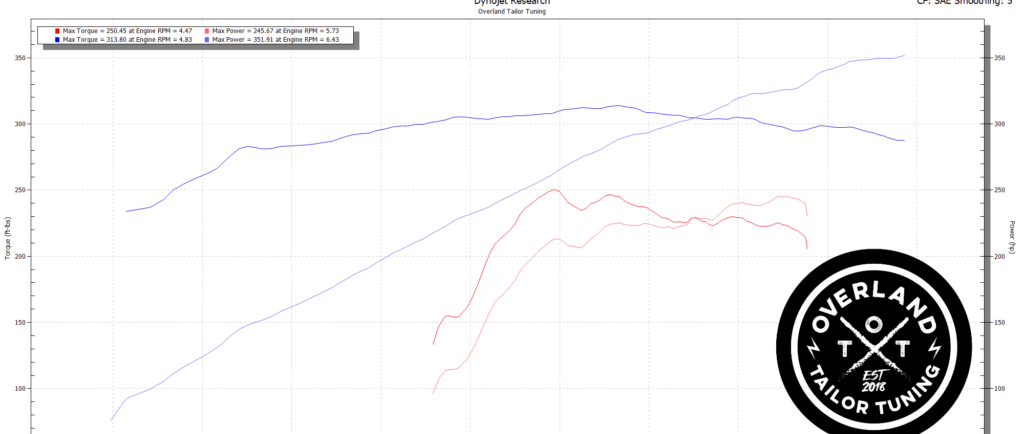
The dyno test results illustrate the key differences between these setups. The stock calibration, depicted in red, indicates the performance of the FJ Cruiser without any modifications while running the designated fuel. In comparison, the blue line showcases the results of the Overland Tailor calibration on the same truck, which undoubtedly provides significant torque improvements over the stock configuration.
The Impact of a Magnuson Supercharger on Performance
Adding a Magnuson supercharger to the FJ Cruiser takes performance to another level. Supercharging involves compressing the intake air to create higher pressure, allowing for greater fuel combustion and significantly increased power output. This enhancement is particularly noticeable in off-road scenarios where torque is paramount for tackling challenging terrains.
During our comparison, the stock dyno performance without the Magnuson calibration demonstrated how the vehicle performs under standard conditions. However, with the Overland Tailor tune, we saw a remarkable surge in horsepower and torque. This adjustment not only improves acceleration but also enhances the overall driving experience, making the FJ Cruiser even more capable off the beaten path.
Conclusion: Which Tune is Right for You?
Choosing between the stock calibration and the Overland Tailor torque tune ultimately depends on the owner's goals for their FJ Cruiser. If the aim is to maintain a reliable vehicle with acceptable performance for everyday use, the stock setup will suffice. However, for those eager for enhanced performance and improved off-road capabilities, particularly with a Magnuson supercharger, the Overland Tailor torque tune is the obvious choice.
As you consider upgrades for your 2010-2014 Toyota FJ Cruiser, weighing the pros and cons of each tuning option will ensure you make an informed decision, paving the way for exhilarating adventures ahead.

Sign up to receive newsletters on upcoming changes and Tune Enhancements.
support
rEACH US
support@overlandtailor.com
Copyright © 2026 Overland Tailor Tuning, All rights reserved.
More info